Key Takeaways:
- Luxury real estate prices have reached unprecedented levels, with the median price of luxury homes hitting an all-time high of $1,225,000 in the first quarter of 2026, reflecting a nearly 9% increase from the previous year.
- Affluent buyers are increasingly purchasing luxury properties with cash, with nearly half of all luxury homes bought with money in the first quarter of 2026, the highest share in over a decade.
- Post-pandemic, the demand for wellness-focused living spaces has surged, with high-end buyers seeking homes that offer more than just traditional amenities like swimming pools and gyms.
- Customization is the new luxury, with buyers seeking properties that let them personalize their living spaces to reflect their tastes and preferences.
- Smart home technology remains a significant trend in the ultra-luxury real estate market, with advanced home automation systems that integrate seamlessly into daily life.
Luxury real estate in 2026 stands as a symbol of shifting priorities, record-breaking valuations, and evolving buyer preferences. With the influx of high-net-worth individuals in exclusive markets and increasing demand for lifestyle-aligned properties, the landscape of luxury real estate is changing rapidly. Exclusive regions such as Aspen, Colorado, remain at the forefront for those seeking both investment potential and elite living experiences. This makes it essential for potential buyers and sellers to consult expert Aspen, CO, real estate agents Aspen Luxury Brokers who understand the uniquely competitive nature of today’s luxury home market.
The growth in this sector is attributed not just to higher prices but also to a dramatic shift in how luxury homes are purchased, designed, and integrated with new technologies. In today’s market, amenities and property features have moved beyond the basics—wellness-focused environments, digitized living, and tailor-made spaces have become top priorities. As we move further into 2026, understanding these key trends is crucial for buyers, sellers, and industry professionals navigating the high-end property world.
Buyers no longer look solely for prime locations and square footage, but seek homes that can be personalized, support holistic wellness, and offer advanced security and comfort through modern technology. These trends are unfolding globally, but their impact is especially pronounced in primary luxury hotspots.
As luxury real estate adapts to new buyer demands, evolving consumer preferences are shaping both the types of properties in demand and how deals are conducted. Understanding these shifts can help all market participants make informed decisions and capitalize on emerging opportunities.
Record-Breaking Prices
The luxury real estate market saw unprecedented price growth with the median price of luxury homes climbing to $1,225,000—a nearly 9% increase from the previous year. The main drivers of this surge include heightened demand from wealthy buyers, increased global mobility, and a persistently limited supply in elite neighborhoods. Markets like Aspen, Los Angeles, and Miami have all seen double-digit percent increases in per-square-foot prices as affluent buyers vie for a limited inventory of trophy properties.
With new development approvals often lagging behind demand, especially in highly desirable vacation and work-from-anywhere destinations, this upward trajectory in luxury home pricing shows no immediate signs of slowing.
Surge in Cash Transactions
One of the most significant trends reshaping luxury real estate deals this year is the surge in cash transactions. Nationwide, nearly half of all luxury properties were acquired with cash, an extraordinary figure not seen for over a decade. In Manhattan, a remarkable 68% of luxury sales occurred without financing, further underscoring a shift among ultra-wealthy buyers toward rapid, uncomplicated closings and portfolio diversification.
This pattern reflects both confidence in real estate as a long-term wealth holder and a response to tightening lending conditions. With stock market volatility and geopolitical uncertainty prompting liquidity-driven investments, high-end buyers leverage their resources to bypass banks, secure prime assets more quickly, and avoid the lengthy scrutiny often accompanied by high-value transactions.
Wellness-Focused Amenities
Post-pandemic lifestyles have spurred a fundamental redefinition of what constitutes luxury living. While swimming pools and expansive gyms remain desirable, today’s affluent buyers now demand private spas, meditation rooms, yoga studios, and fully equipped wellness centers within their homes. This trend is particularly evident in global luxury hubs and emerging markets like Hyderabad, where builders compete to outdo one another by offering comprehensive “sanctuary” environments.
The focus on healthful and balanced living extends throughout the design philosophy of new high-end developments. Spaces are intended not only for entertainment and aesthetics but also as restorative refuges from urban stress. Expect to see biophilic design, circadian lighting, and even home medical suites become defining features of premier real estate portfolios in 2026.
Customizable Living Spaces
What sets luxury real estate apart today isn’t just its address or pedigree, but the opportunity for complete personalization. Demand is rising for homes with flexible floor plans, movable partitions, and bespoke design touches, from curated wine cellars to unique art installations. Top developers are now offering “blank canvas” concepts, encouraging buyers to envision and create living spaces that mirror their personalities, routines, and artistic preferences.
This new era of customization enables buyers to integrate lifestyle-specific features such as private libraries, professional-grade kitchens, and even safe rooms. The trend underscores the shift toward residences tailored to the most discriminating tastes and functional needs.
Smart Home Integration
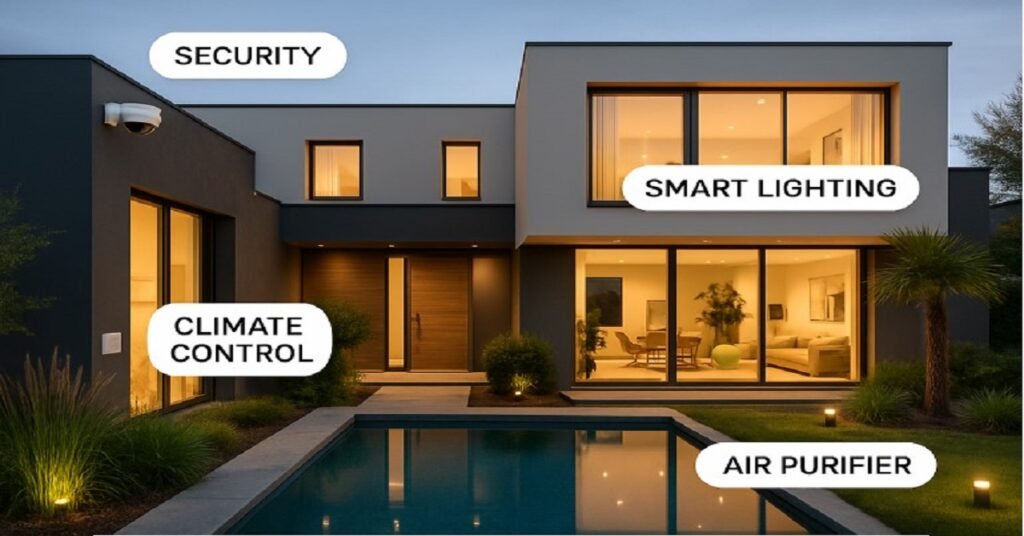
Smart home technology is no longer a bonus—it’s an expectation among buyers of ultra-luxury properties. Advanced automation now encompasses voice-controlled lighting, next-level security, personalized climate control, and digitally managed kitchens. The seamless integration of these features not only fosters elevated comfort but also adds tangible long-term value and appeal to elite homes.
As smart tech adoption accelerates, these systems are expected to become a universal standard, enabling intuitive, connected living experiences. As the real estate industry continues to evolve, properties that offer integrated technologies to manage everything from energy use to entertainment options stand out in a crowded field and will likely command premium prices moving forward.